BlogComparisons
Tapp vs renting a card terminal
Card terminals look cheap until you add up the rental, the receipt rolls and the contract. Here’s an honest way to compare renting a terminal with taking card on the phone you already own.
2 min read
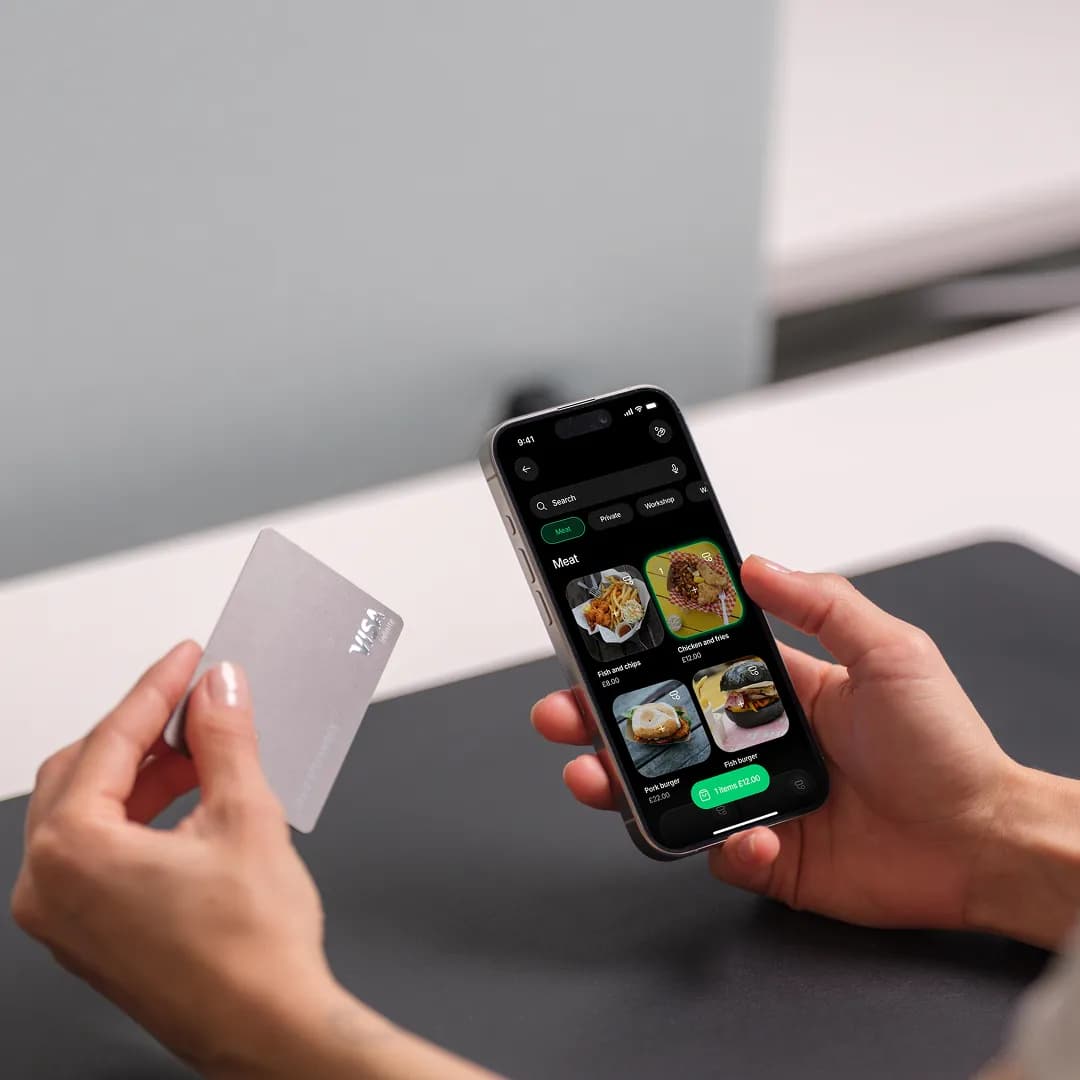
A card machine feels like the “proper” way to take payment — until the statements arrive. The headline rental is only part of the story. To compare fairly, add up everything you pay over a year, then put it next to taking card on the phone in your pocket.
The real cost of a rented terminal
- Monthly rental for the hardware, often on a contract that runs for years
- A transaction fee on top, per sale
- Receipt rolls, chargers and the occasional replacement
- Early-exit fees if you want to leave before the term ends
- A second device to charge, carry and lose
What taking card on your phone changes
- No hardware to rent or buy: Tap to Pay runs on the phone you already own
- Receipts go by text or email, so there’s no roll to run out mid-queue
- Your till, orders, bookings and payouts live in the same app
- Updates arrive in the app, not by courier
Add up your own numbers
Take your terminal’s monthly rental and multiply by twelve. Add the fees per sale, the receipt rolls and whatever it costs to leave your contract early. That’s the number to beat. Then put it next to Tapp’s rates for your market and your own monthly takings.
When a terminal might still suit you
We’ll be straight with you: if you run very high volumes through one fixed counter all day and already own the hardware, a dedicated terminal can make sense. For cafés, stalls, restaurants and anyone who sells in more than one place, a rented card machine is usually a monthly bill for something your phone already does.
The rental is the headline. The contract is the story.